Front yard areas:
Backyard areas:
Our garden features around 50 species of native plants: most are flowers with lawn alternatives. We enjoy the low maintenance of these established plants (although there are some challenges) and like seeing all the insects and birds!
Some areas look more intentional than others, but our general approach is to let things grow and then move/remove whatever is in the way or we don’t like. The garden is a continuous work in progress. Every year we learn new things.
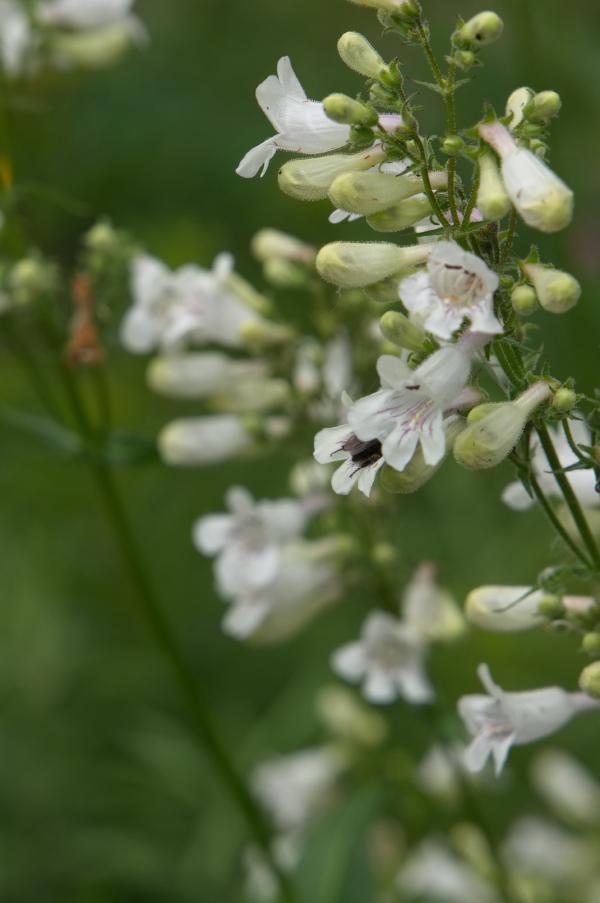
Bee in a foxglove beardtongue
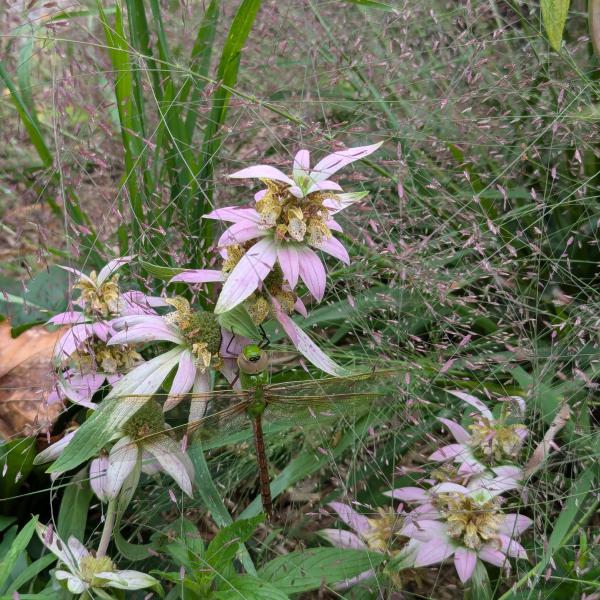
Dragonfly on spotted bee balm
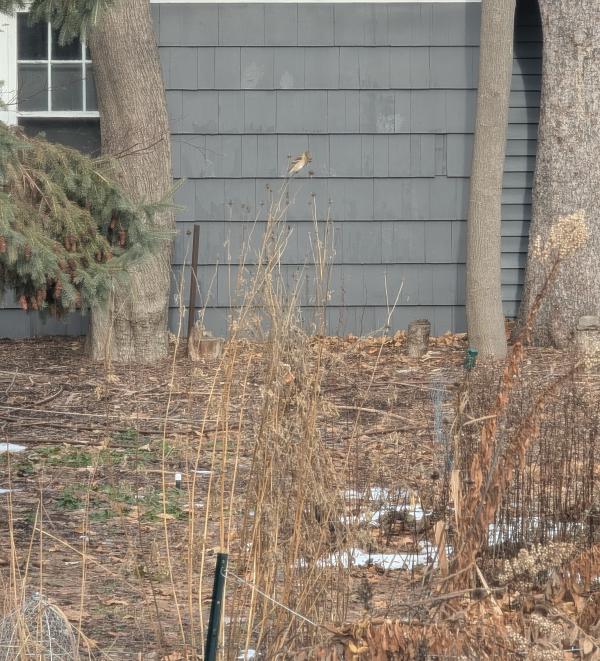
Finch eating grey-headed coneflower seeds in the winter
Challenges
Gardening is not without its challenges. Here are some plants that are not thriving:
White wild indigo
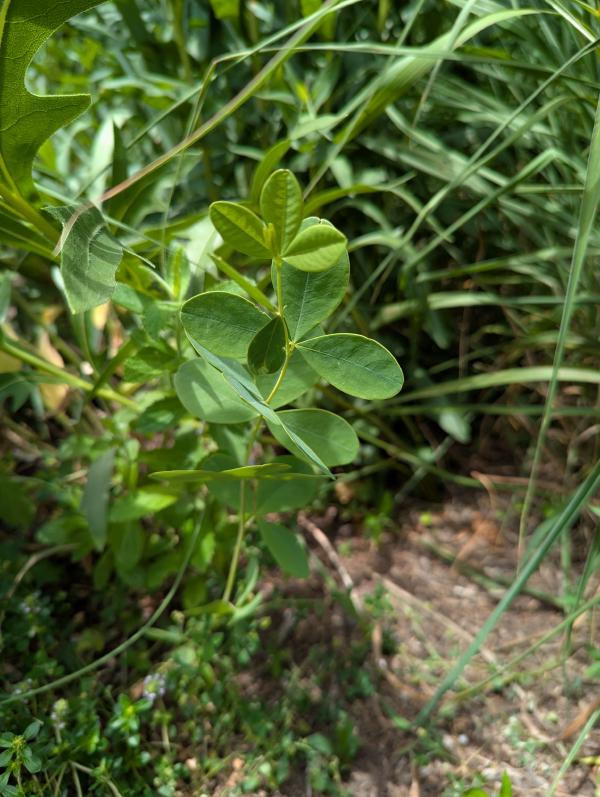
Planted in the spring of 2024, it has only shown one relatively short stem. Is it overshadowed by neighbours? There was a second one that seems to have died.
Royal catchfly
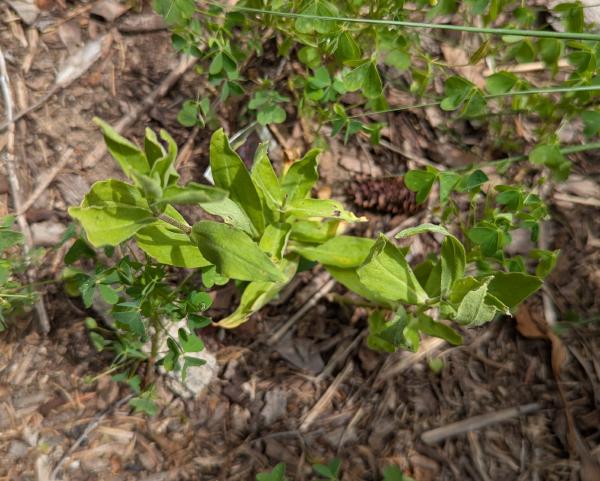
There were three of them, but only one seems to be growing.
Purple clematis
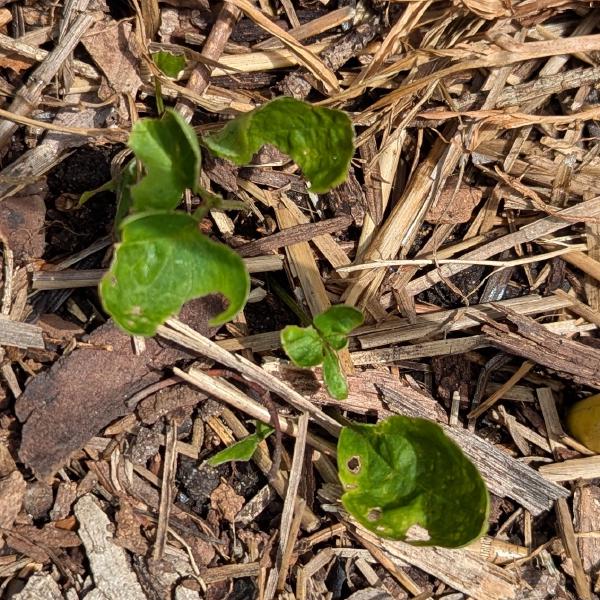
There were two bare root plants planted in the fall of 2025, and only one seems to be (barely) alive.
Driveway dreamscape
This area contains plants from the “Pollinator garden kit”, acquired at an Ottawa County Conservation District native plant sale and planted as plugs in the spring of 2025. Some of the flowers bloomed that same year!
We divided the kit into two parts and planted a chokeberry in the middle.
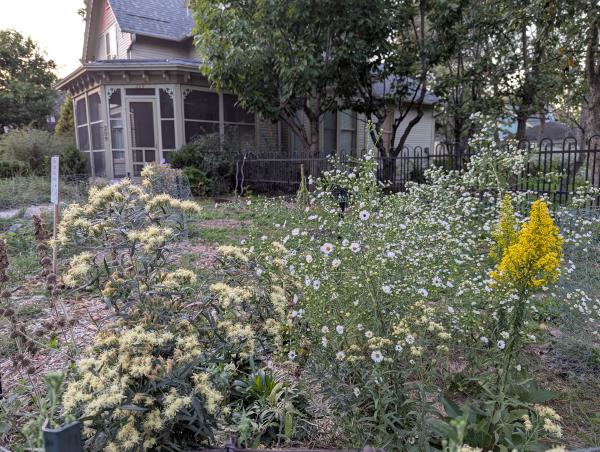
September 2025
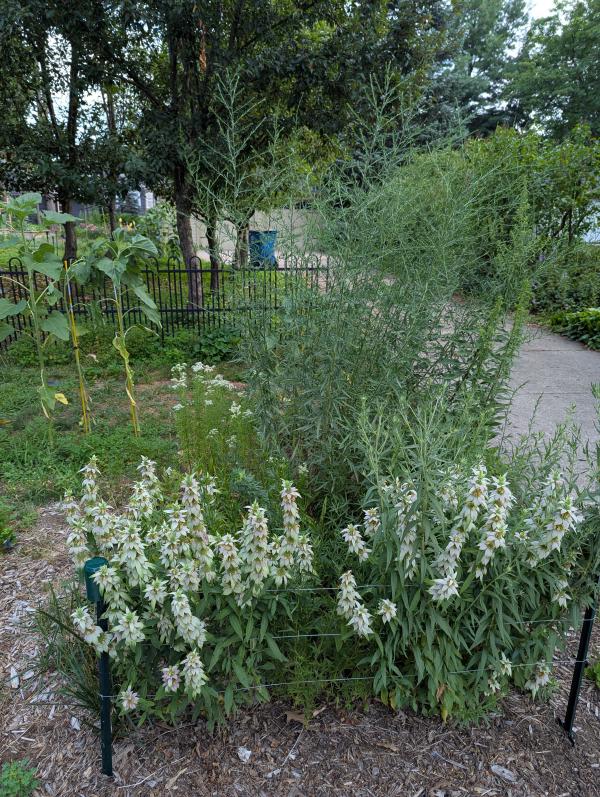
July 2026
Species:
Early spring
This area has some flowers that bloom relatively early in the spring. The lupines were planted as plugs in the spring of 2024 and first bloomed in 2026. The rest of the plants were grown from seeds stratified in the fridge in 2025 and planted in the fall of 2025 (they haven’t bloomed yet).
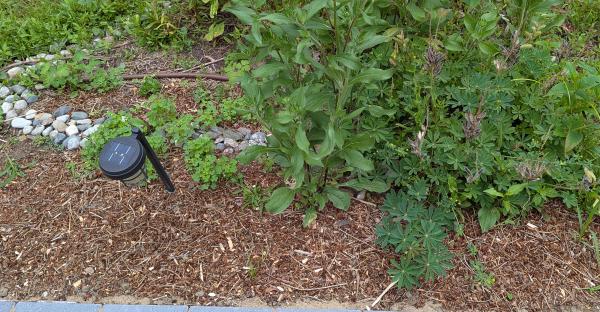
June 2026
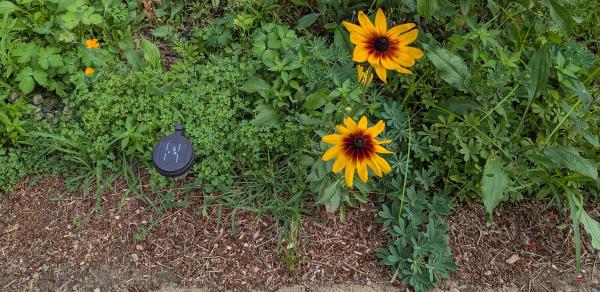
July 2026
Species:
Easy street patch
This area contains plants from the “Easy street patch” and “Hummingbird power pack” kits. This was one of our first experiences with native plant plugs. We planted them in the spring of 2024 and had a lot of blooms in the summer. Bradbury’s monarda and penstemons bloomed the following year. We also added some wild petunias, but they can get shaded by the taller plants around them, so some thinning is required.
Lawn alternatives
Prairie dropseed
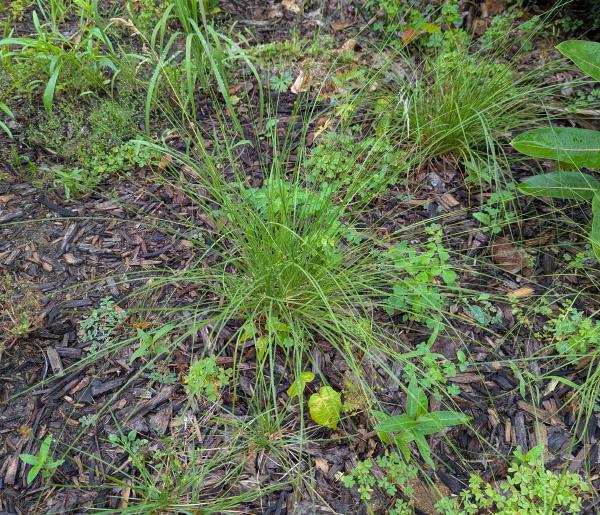
Purple lovegrass
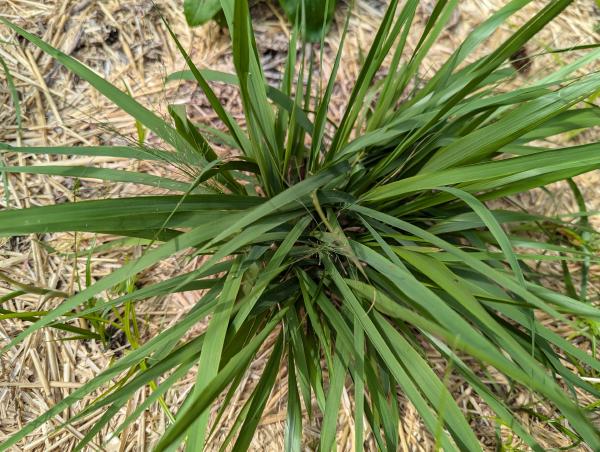
Little bluestem
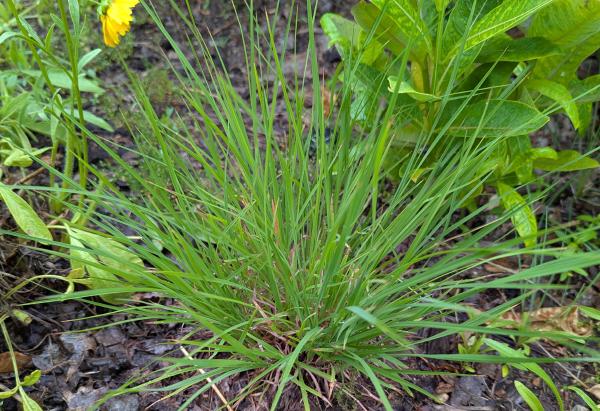
Plains oval sedge
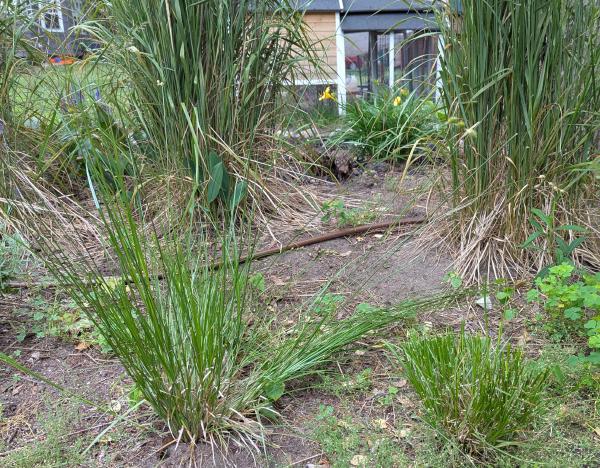
Pennsylvania sedge
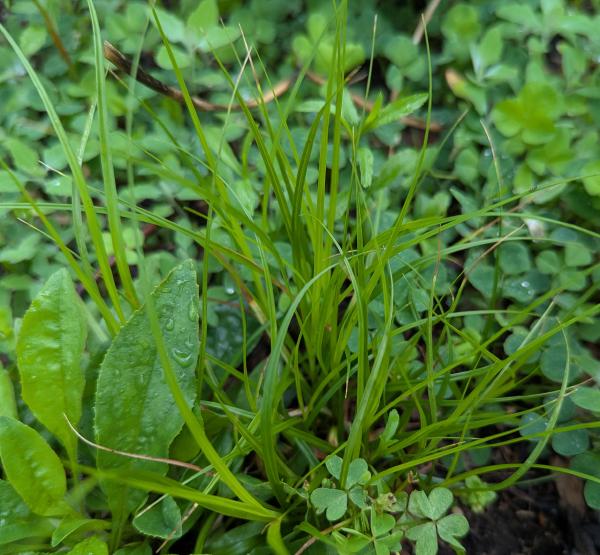
Milkweed meadow
This area contains plants from the “Pollinator patch kit”, planted as plugs in the fall of 2024. It’s taking a while to fill out since the soil was quite heavily disturbed by a sewer pipe installation and is very sandy. However, a lot of volunteer plants started appearing in spring 2026. The milkweed appeared there on its own and is a great natural addition!
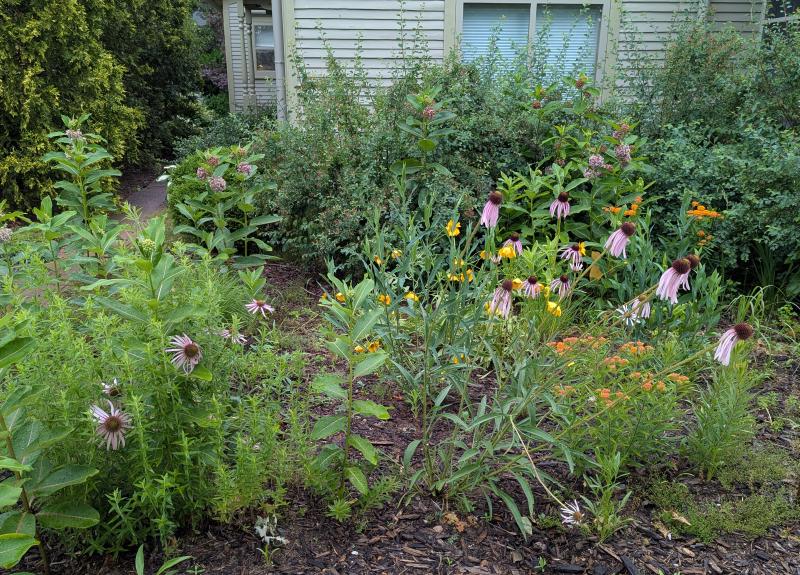
June 2026
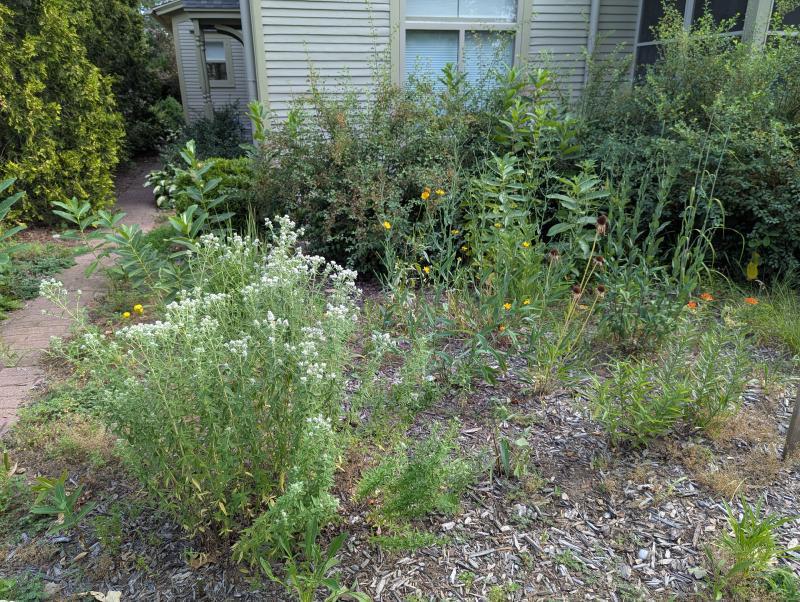
July 2026
Species:
Sunny sidewalk
This area contains plants from the “Short and showy” seed mix (the 500 sq ft amount). The area was sown in the fall of 2024 and again in the spring of 2025. About 19 0f 46 species are growing. They don’t seem particularly short, maybe the soil is too rich.
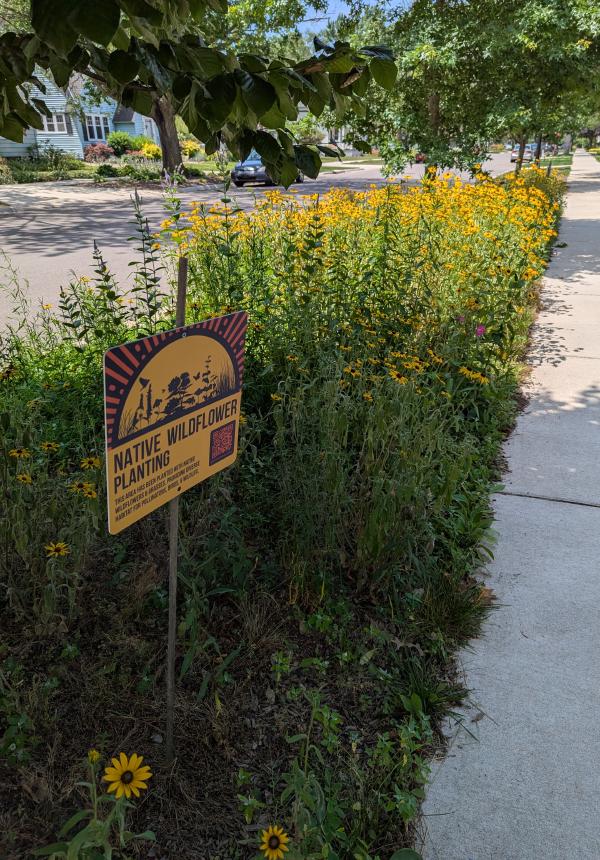
June 2026
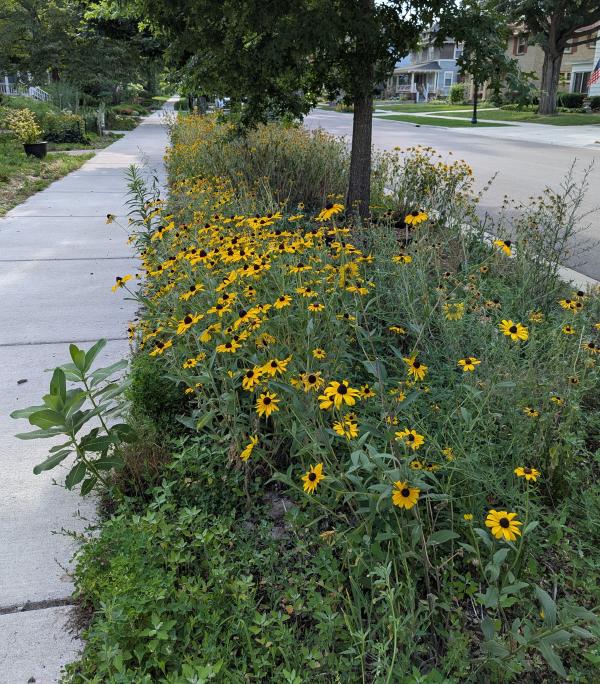
July 2026
Tallgrass prairie
This area contains plants from the “Classic tallgrass prairie garden” kit. This was one of our first experiences with native plant plugs. We planted them in the spring of 2024 and were rewarded with some blooms on the hoary vervain and New England aster the same year. However, the majority of the plants started blooming the following year, and some are still taking their time (ahem, compass plant).
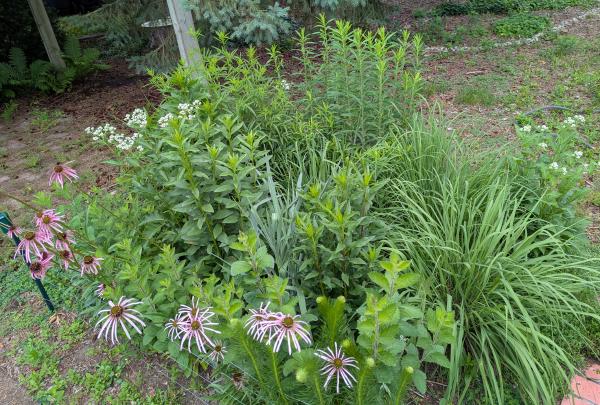
June 2026
Walkway wonderland
This area contains plants from the “Pollinator garden kit”, acquired at an Ottawa County Conservation District native plant sale and planted as plugs in the spring of 2025. Some of the flowers bloomed that same year!
We divided the kit into two parts and planted a chokeberry in the middle.
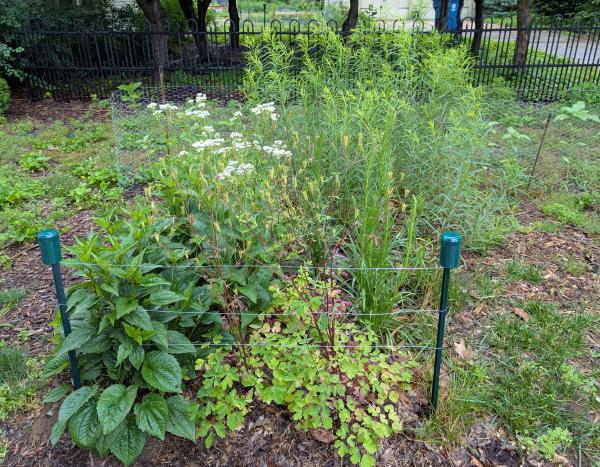
June 2026
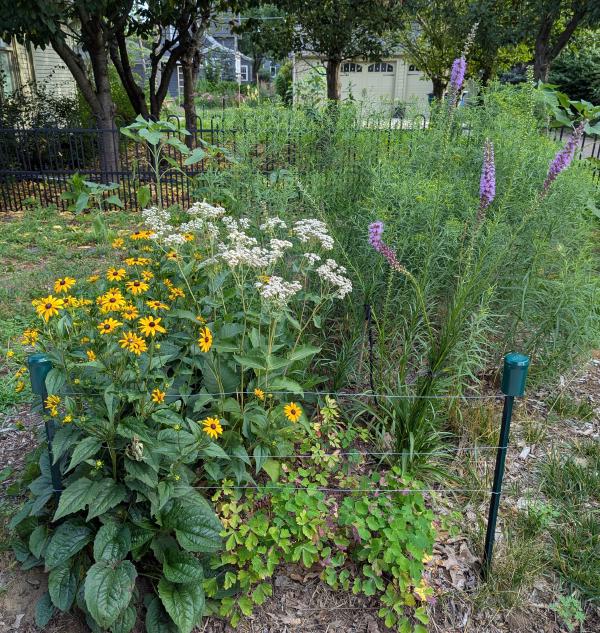
July 2026